Something extraordinary is unfolding in the mountains of northern Chile—something that invites us to stretch our imaginations and look deeper into the fabric of space, time, and consciousness.
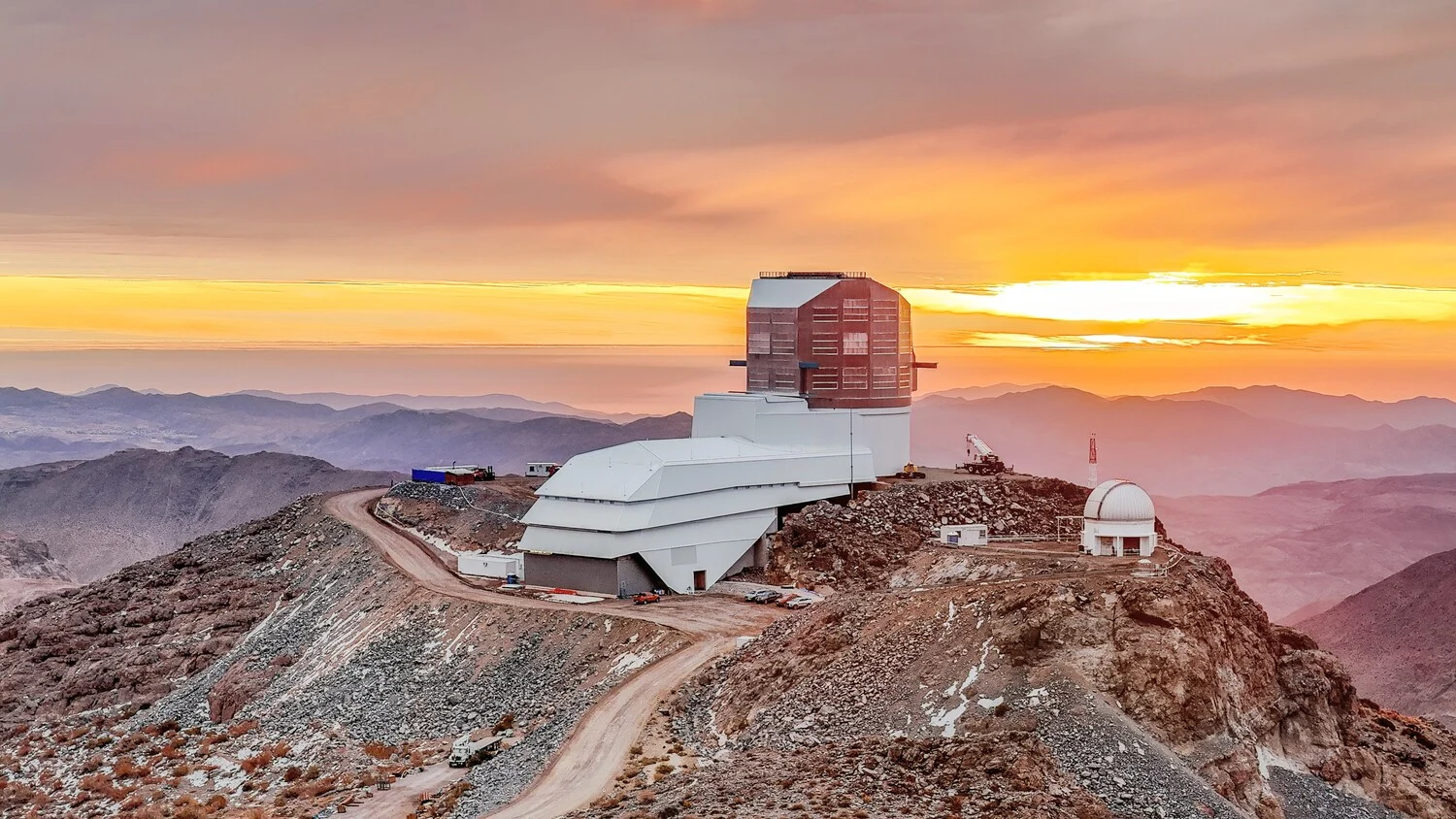
The Vera C. Rubin Observatory, perched high in the Chilean Andes, has begun its test phase with a cosmic flourish. This cutting-edge facility is conducting the Legacy Survey of Space and Time (LSST)—a ten-year exploration that will capture the most expansive, detailed view of our universe ever attempted. Though the telescope is still undergoing final calibrations, the first publicly released test images are already breathtaking—and they hint at the transformative journey ahead.
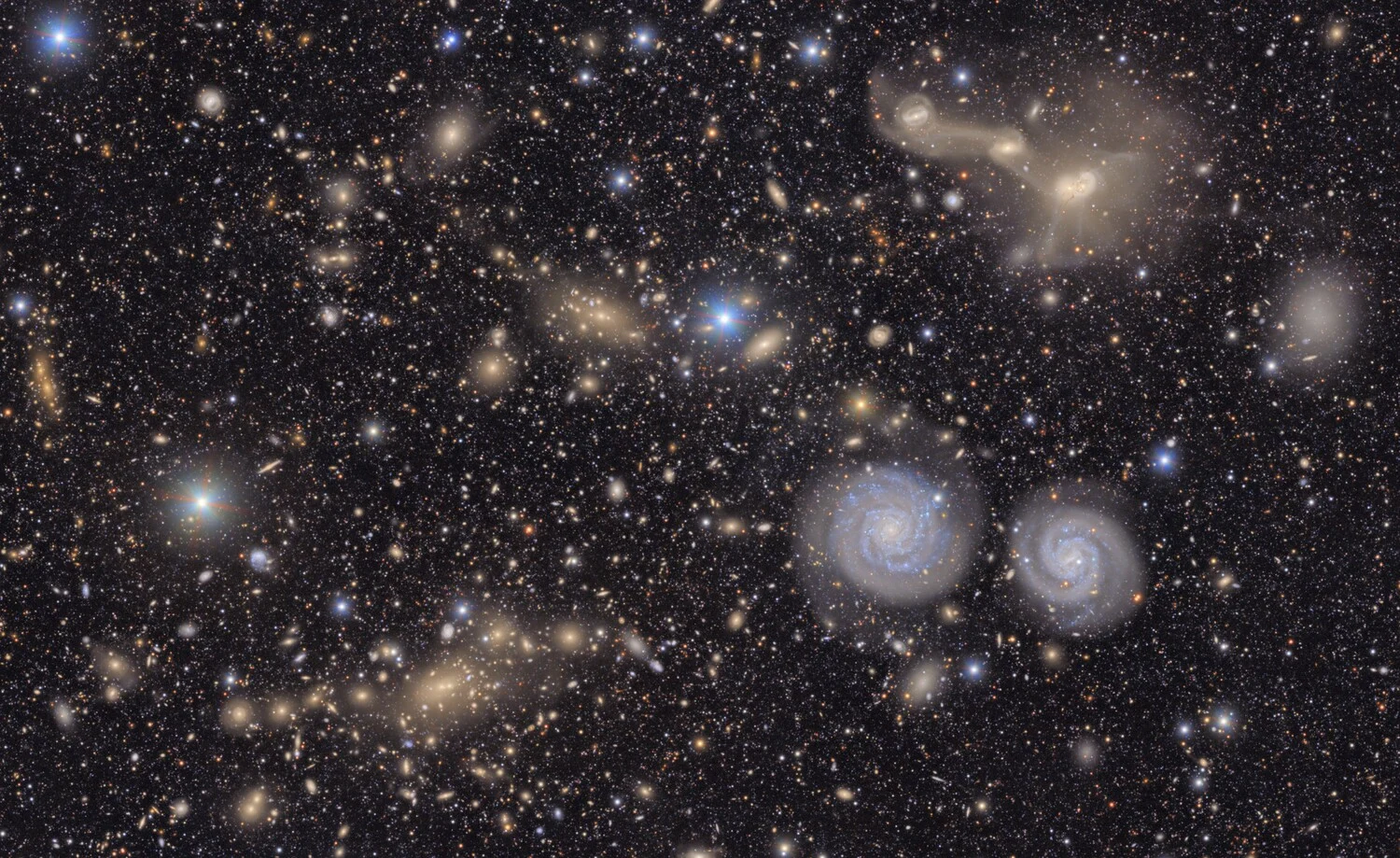
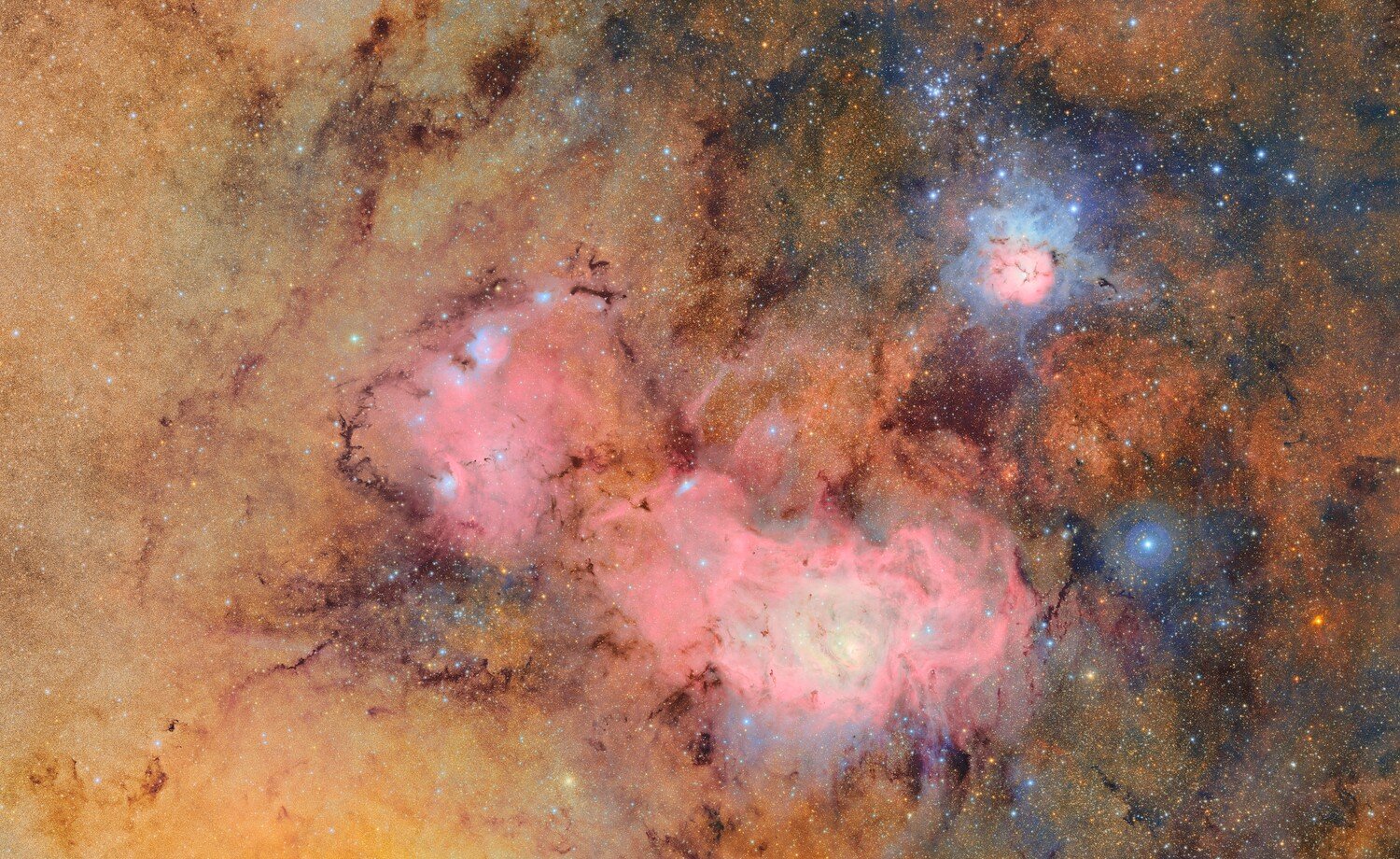
These new photos showcase sprawling galaxies, distant star nurseries, and celestial structures woven together in ways that make even the most poetic metaphors feel small. Swirls of cosmic dust, rivers of starlight, and glittering clusters shimmer across each frame like living mandalas etched into the night.
But this isn’t just astronomy. It’s a consciousness-expanding experience.
At Valo Expeditions, we’re fascinated not only by what we can see out there, but also how it changes us. When we gaze at these deep-sky portraits—millions, even billions of light-years away—we’re not just seeing into the past. We’re opening windows into the archetypal vastness of existence itself. The universe is not a distant spectacle; it’s the mirror of our own inner dimensions.
What is the Rubin Observatory?
Named after the trailblazing astronomer Vera C. Rubin, whose work confirmed the existence of dark matter, this observatory is equipped with the world’s largest digital camera ever built for astronomy—a staggering 3.2-gigapixel sensor that can capture images the width of 40 full moons in one frame. Once fully operational, the Rubin Observatory will scan the entire southern sky every few nights, creating a time-lapse map of the cosmos that will include billions of galaxies, stars, and potentially hazardous asteroids.
Its mission is both scientific and existential: to study dark matter and dark energy, chart the Milky Way, track near-Earth objects, and unlock cosmic mysteries still beyond our reach.
Seeing Ourselves in the Stars
There’s something deeply human about this project. The LSST doesn’t just catalogue the universe—it reveals our place within it. Each new image is a humbling reminder that we are participants in a grand, unfolding story—one written in stardust and stitched together across aeons.
As we evolve in our own spiritual journeys, the Rubin Observatory offers more than data; it offers perspective. It invites us to quiet the mind, expand the heart, and ask again the ancient questions: Who are we? Where do we come from? Why does anything exist at all?
A New Era of Cosmic Contemplation
These early images are only the beginning. In the coming months and years, the LSST will produce petabytes of data, enabling scientists and dreamers alike to explore the cosmos in unprecedented ways. Imagine: entire galaxies revealed where once there was only darkness. Time itself unraveling through the flicker of variable stars and distant supernovae.
Whether you approach this through the lens of science, spirit, or a fusion of both, there’s no denying the call these images awaken—a call to wonder, to explore, and to remember that the universe is not something we observe from the outside. It is something we are part of.
We’ll be sharing more on this awe-inspiring mission as new images are released. For now, take a moment to look up, breathe deeply, and imagine what else is out there—waiting to be seen, felt, and understood.